Sweet Microplastics
honeybees, your honey, and the plastic in both
Honey is Connection
“A spoonful of honey will make you feel better.”
I was often told this when I was sick. From grandparents, parents, and older siblings who might have wanted to make me feel better, and might have wanted to stop a little kid complaining about a sore throat.
When I was a little older, and fall would arrive, my family would get honey sticks from a nearby apple orchard. If we were lucky they were in fun flavours—sour apple, lavender, and blueberry— and a parent would pass them out on long road trips as a treat.
As a young adult I went to university and the mentions of honey didn’t leave. Every time I would complain about an illness going around campus my mom would ask if I had any honey, and tell me to put it in some hot water with lemon. It was during my first year of university that I realized the truth:
Honey connects me to my family. And it wasn’t just the honey. It was the bees too.
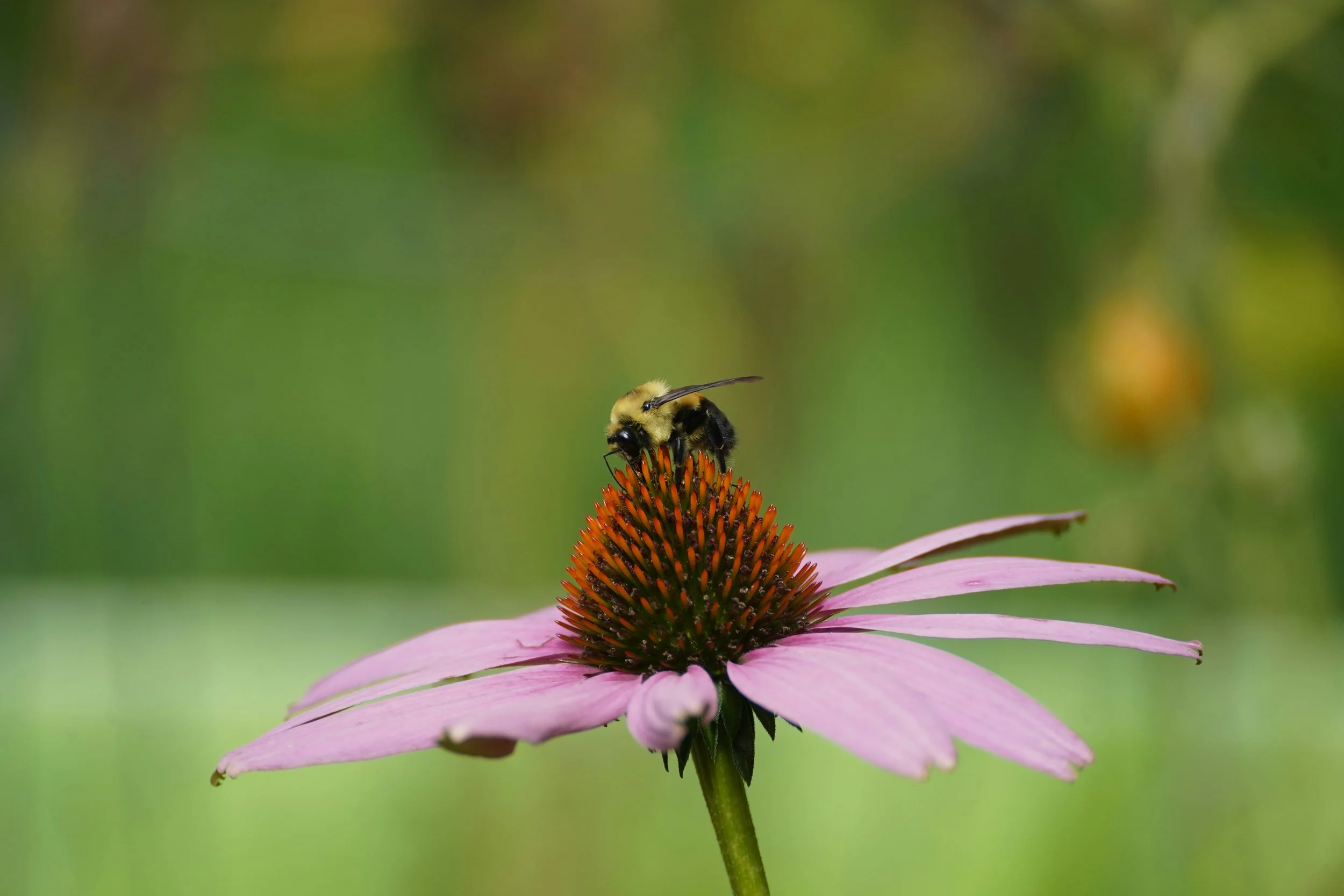
On a homestead, gardening is a must. I spent most of my teen years gardening, and I was constantly surrounded by bees. In the morning they would be sleeping in flowers, and while I pulled weeds they would fly around me looking for nectar. There would be so many bees on the blue vervain that if your blurred your eyes, it would look like the whole plant was moving.
The bees have always been part of my life. And they’re part of yours too.
Read More
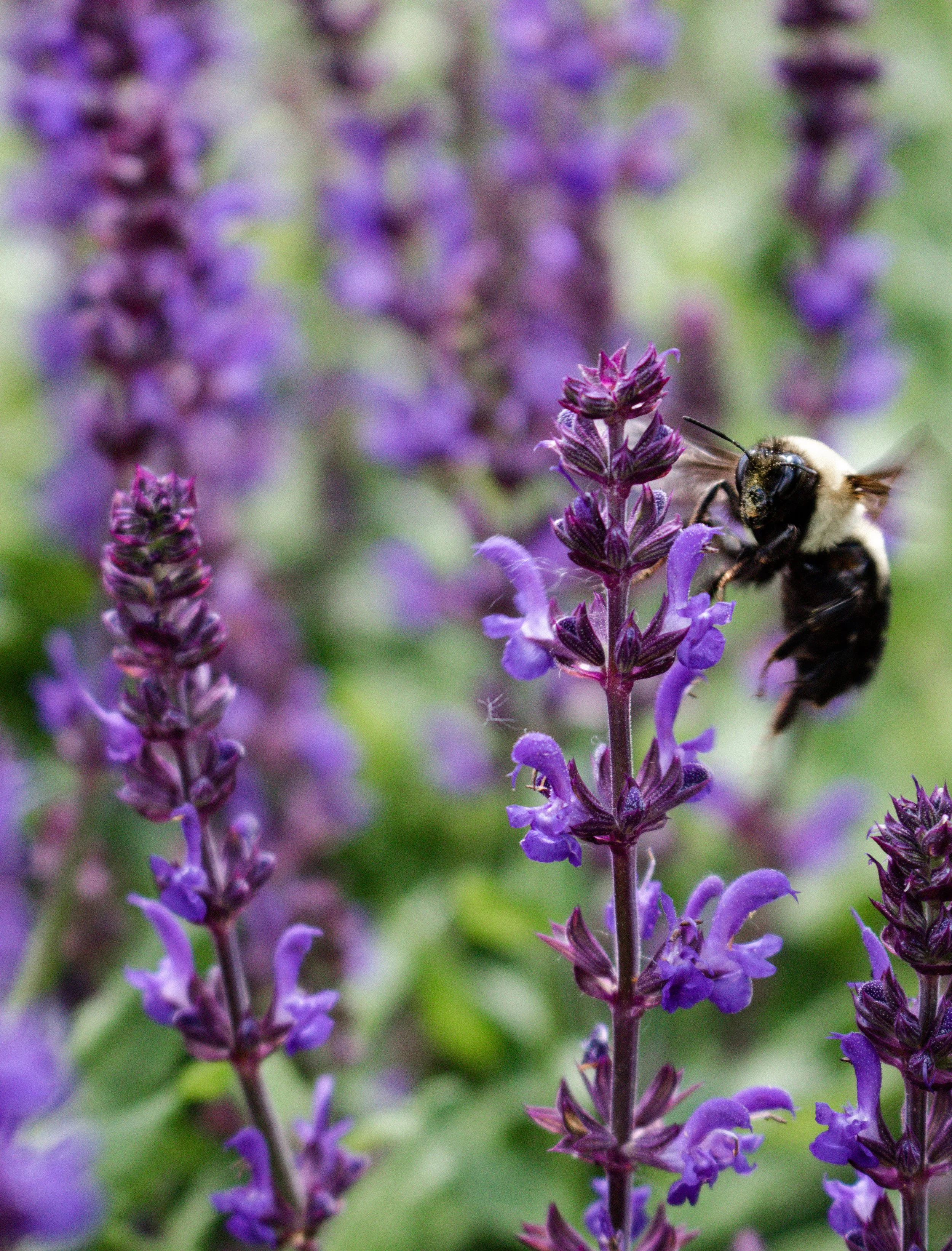
Photo by Eleanore Fiore
Video clips, fonts, audio, and assets from Canva
The Bees and Your Community
Whether or not you’ve noticed it, honey is part of your life.
The honey matcha lattes on your cafe dates. Your friend who invites you over and asks you if you take your tea with honey. The coworker who offers you a honey lozenge when you’re sick, but had to work anyway.
Honey connects you to your community like it connects me to my family.
But honey doesn’t come from nowhere. The bees are just as involved in your life as their honey is, even when you don’t see them.
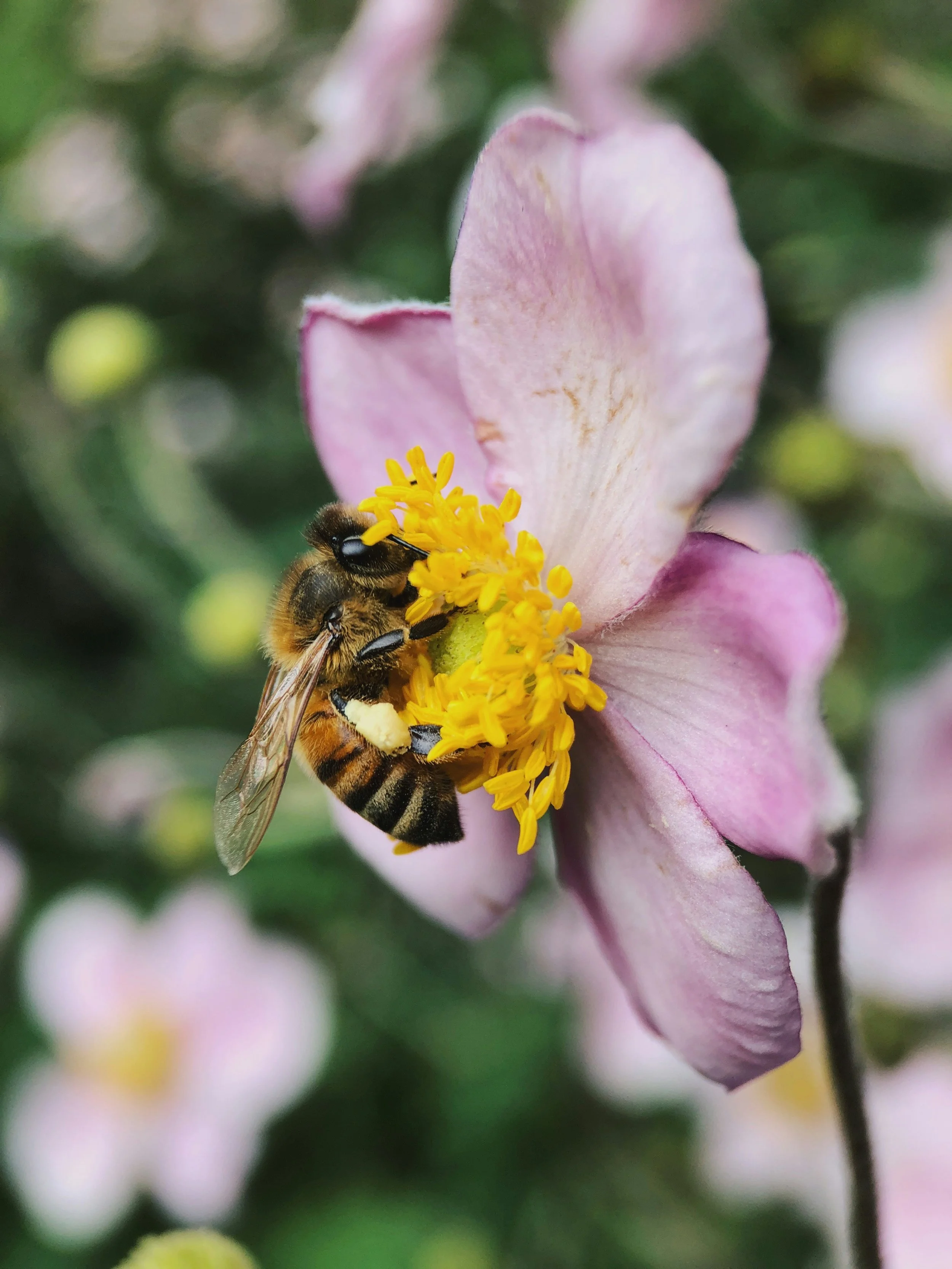
Bees are what make your favorite flowers bloom in the spring and let your favorite foods, like tomatoes, squash, and nuts, flower and produce. When it rains, bees drink from the puddles on your driveway and at night they sleep in your garden.
And the bees in your life need your help.
Our Tiny Friends Have an Even Tinier Threat
Beekeepers care deeply for their colonies, but are faced with a threat they can’t even see.
Between pesticides, climate change, and air pollution bees have been struggling. And now microplastics have entered the scene.
According to a recent study in the Journal of Applied Ecology, microplastics are bits of plastic from bottles and tools that have degraded to be smaller than 5 millimeters. They’re becoming increasingly common, and have been shown to have negative affects on humans—and bees.
Microplastics might be in your food, and mine too. Microplastics have found inside of bees, and inside the honey they produce. Now, every time a grandparent tells me to take a spoonful of honey, I have to wonder whether I’m eating something that will hurt me. It’s no longer the heartfelt suggestion it used to be.
For the bees, the increase of microplastics could weaken their immune system, change their behaviour and foraging patterns, and cause increased difficulties learning and memorizing. This means they have a hard time doing what they do best—pollinating and producing. If it continues, this means a drastic change to our food systems.
On a small scale it may mean that honey is not available as easily or that existing honeybee products, like pollen and propolis, jump in price. But on a larger scale, one third of the world’s food system rely exclusively on honeybee pollination. No bees means those plants have a chance of going extinct, and our food security is forever altered.
Nervous? Don’t be. You can help support your local honeybee colonies and help them fight the side effects of microplastics. All you have to do is scatter a few seeds.

Photo by HiveBoxx

Photo by Graphic Node
What can I do?
The four best words in the english language! Because there is always something to be done.
One of the best things you can do is help your neighbourhood bees find native, pesticide-free, nectar-rich flowers. When you plant native plants in your yard you give bees a safe place to find food, pollinate, and rest. Interested?
Visit the Xerces Society for Invertebrate Conservation website and choose 2 native plants to add to your garden.
Select where you live from the dropdown on the Xerces Society website and you’ll get a list of what plants are native to your area. Select 2 plants that will fit in your garden and you’ll have created a significant impact on local bee populations.
Additional Sources
Textual Sources
Government of Canada. “Statistical Overview of the Canadian Honey and Bee Industry, 2024 - Agriculture.canada.ca.” Canada.ca, 2024, agriculture.canada.ca/en/sector/horticulture/reports/statistical-overview-canadian-honey-and-bee-industry-2024#s1.4. Accessed 22 Oct. 2025.
Michigan State University. “Pollination.” Native Plants and Ecosystem Services, Michigan State University, 2007, www.canr.msu.edu/nativeplants/pollination/.
National Agricultural Statistics Service (NASS), et al. United States Honey Production down 4 Percent in 2024. 14 Mar. 2025.
Pasquini, Elisa, et al. “Microplastics Reach the Brain and Interfere with Honey Bee Cognition.” Science of the Total Environment, vol. 912, 1 Feb. 2024, pp. 169362–169362, https://doi.org/10.1016/j.scitotenv.2023.169362.
Pollinator Partnership Canada. “Bees.” P2C, 2019, pollinatorpartnership.ca/en/bees. Accessed 21 Oct. 2025.
Shavali Gilani, Parisa, et al. “Microplastics Comprehensive Review: Impact on Honey Bee, Occurrence in Honey and Health Risk Evaluation.” Journal of Applied Ecology, vol. 62, no. 8, 11 Mar. 2025, https://doi.org/10.1111/1365-2664.70030.
UNEP. “Why Bees Are Essential to People and Planet.” UNEP, UNEP, 18 May 2022, www.unep.org/news-and-stories/story/why-bees-are-essential-people-and-planet.
USDA. “Sugar and Sweeteners Yearbook Tables - Visualization: Meeting Honey Demand in the United States | Economic Research Service.” Usda.gov, 2025, www.ers.usda.gov/data-products/sugar-and-sweeteners-yearbook-tables/visualization-meeting-honey-demand-in-the-united-states.
USGC. “How Many Species of Native Bees Are in the United States? | U.S. Geological Survey.” Www.usgs.gov, 13 June 2025, www.usgs.gov/faqs/how-many-species-native-bees-are-united-states. Accessed 21 Oct. 2025.
Xerces Society for Invertebrate Conservation. “Pollinator-Friendly Native Plant Lists | Xerces Society.” Xerces.org, 2025, xerces.org/pollinator-conservation/pollinator-friendly-plant-lists.
Media Sources
Header photo from Aaron Burden on Unsplash
Section 1 photo from Eleanore Fiore on eleanorefiore.com
Section 2 video, audio, assets, and font from Canva
Section 3 photo from HiveBoxx on Unsplash
Section 4 photo from Graphic Node on Unsplash
Footer photo from Evan Porter on Unsplash